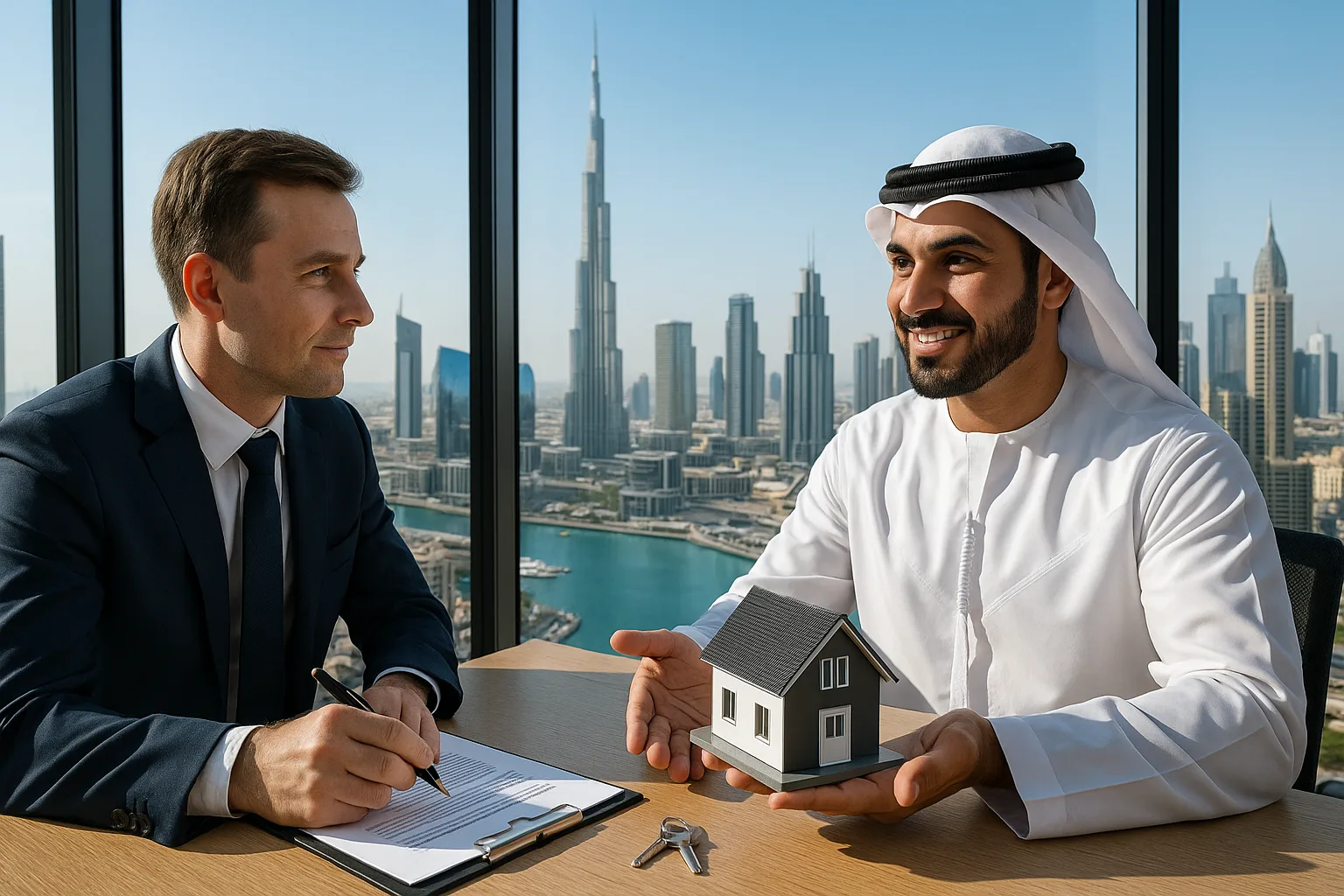
How a Foreigner Can Buy and Own Property in Dubai and Its Benefits?

Can foreigners buy property in Dubai?
Yes — non-residents and foreign nationals are able to buy property in Dubai, but ownership rights depend on the location and the type of title being offered. Some areas are designated for freehold ownership, where a buyer can hold title in their own name, while others may be subject to leasehold arrangements or restrictions.
Because rules and designated areas can change, confirm current eligibility and the list of freehold zones with the Dubai Land Department (DLD) and the Real Estate Regulatory Agency (RERA), or seek local legal advice before proceeding.
Types of ownership and purchasing structures
Freehold versus leasehold: freehold grants title ownership of the property and the land for the period prescribed by local law, whereas leasehold typically grants the right to occupy for a long-term lease period. Which option is available will depend on the development and its location.
Ownership can be held by individuals, jointly with others, or via corporate structures. International buyers often consider holding property through a UAE company or other legal entities for estate planning, liability protection, or operational reasons; these options have legal, tax and compliance implications so obtain specialist advice tailored to your circumstances.
Practical considerations when choosing a structure:
- Joint ownership: clarify how decisions are made, how costs are shared and what happens on sale or death of a co-owner. Use clear joint ownership agreements.
- Company ownership: may simplify multiple investments or management, but requires corporate setup, compliance, account filing and may have different title implications. Always check with a lawyer or accountant before selecting this route.
- Power of Attorney (PoA): buyers who cannot be present can appoint a trusted representative to complete the purchase, but PoAs must be carefully drafted, usually notarised and sometimes attested. Limit and check powers granted to avoid unintended outcomes.
Step-by-step purchase process
Research and preparation: clarify budget and financing, decide preferred areas, and check the developer’s and community’s reputation. Obtain mortgage pre-approval from your lender if you plan to finance the purchase.
Engage professionals: use a registered real estate agent (RERA-registered) and consult a lawyer or conveyancer who understands Dubai property law. Review the sales contract carefully and confirm whether any developer or community approvals (such as a No Objection Certificate) are required.
Offer, contract and transfer: once an offer is accepted you will sign a Sales and Purchase Agreement (SPA), and typically pay a reservation or deposit. The transaction concludes with registration at the Dubai Land Department, where the title is transferred and the buyer is issued with a title deed. Confirm any specific documentation requirements and steps with DLD or your advisor.
Typical transactional steps (what to expect):
- Initial offer and reservation: you reserve the property and pay a deposit; the developer or seller issues a receipt or reservation confirmation.
- Sales and Purchase Agreement (SPA): a binding contract that sets out payment plan, specifications, handover conditions and remedies for default. Have your lawyer review key clauses including dispute resolution and completion guarantees.
- No Objection Certificate (NOC) and clearance: some developers or owners’ associations require an NOC before the transfer of title; check whether this is needed in your case.
- Final settlement and registration: On completion, the DLD processes the title transfer, and mortgage registration (where applicable) is recorded. Always confirm the final list of documents you must submit.
Financing options for non-residents
Many local banks and international lenders offer mortgages to foreign buyers, but eligibility, documentation and loan-to-value levels differ between banks and between residents and non-residents. Lenders may require proof of income, bank statements, and additional documentation for overseas applicants.
Get mortgage pre-approval early to understand what you can borrow and to strengthen your negotiating position. Because lending criteria change, always confirm current requirements directly with banks or a mortgage broker, and assess currency risk if your income is in a different currency from the mortgage.
Practical financing tips:
- Compare resident vs non-resident lending terms carefully; non-resident loans may have different repayment structures and deposit requirements.
- Ask lenders about acceptable documentation for proof of income and source of funds — banks typically have strict anti-money-laundering checks.
- Consider the implications of exchange rate movements on repayments if you earn in another currency; discuss currency risk management with your financial adviser.
Costs and ongoing obligations to expect
In addition to the purchase price, expect transaction fees such as land registration fees, agency commission, mortgage registration fees where applicable, developer handover fees and other closing costs. After purchase you will be responsible for service charges, maintenance, insurance and utilities — these are recurring and can vary widely by building and community.
Confirm all likely fees with your agent, the developer, and the Dubai Land Department before committing, and budget for ongoing expenses so rental income or personal budgets are realistic.
What to check on ongoing charges:
- Service charge history: request the previous years’ service charge accounts and budgets and ask whether any special assessments or pending major works are planned.
- Owners’ association rules: read the community or building by-laws to understand rules about rentals, pets, renovations and common area usage.
- Insurance and sinking funds: clarify what insurance the developer or association maintains and whether you need additional cover for contents or liability.
Benefits of owning property in Dubai
Dubai offers advantages that attract international buyers, including world-class infrastructure, a strategic global location, a large expatriate population and a well-regulated property registration system. Many investors and residents value the potential for rental income, modern amenities and a transparent title registration process.
The Emirate’s personal tax environment is often favourable compared with many countries, but tax treatment varies by investor nationality and domicile. If residency or a visa is an objective, confirm the current residency rules tied to property ownership with the relevant government authority or an immigration specialist.
Practical benefits to consider:
- Diversification: property in Dubai can be part of a diversified international portfolio, often offering exposure to a different currency and market cycle.
- Rental market: many investors rent their Dubai properties either short-term or long-term. Professional property management can simplify operations, tenant screening and compliance with local tenancy laws.
- Lifestyle and amenities: owning in a planned community can provide access to facilities, schools, transport links and retail — all of which can increase desirability for renters or future buyers.
Due diligence and risks to manage
Perform robust due diligence: check the developer’s track record, obtain a title search to confirm there are no encumbrances, review past and projected service charges, and inspect construction quality and completion timelines for off-plan purchases. Verify outstanding payments or disputes tied to the property or owners’ association.
Consider market risks such as price volatility and liquidity. Have a clear exit strategy and be mindful of legal and tax implications in your home jurisdiction. Work with experienced advisors — registered agents, lawyers and property managers — to reduce risk and protect your investment.
Risk mitigation checklist:
- Title search: instruct a lawyer or conveyancer to confirm clean title and identify any mortgages, liens or restrictions.
- Track record and warranties: for off-plan purchases, review the developer’s delivery record and any warranty or defect liability periods.
- Contract protections: negotiate clear remedies for delay, defects and specification changes; avoid signing open-ended obligations.
- Market research: compare similar properties, rental yields and recent transaction activity in the community before committing.
Practical actions after purchase
Register the title and ensure utility accounts and homeowners’ association registrations are transferred into your name where required. Pay all fees and service charges on time to avoid penalties or restrictions.
If you plan to rent the property, consider professional property management to handle marketing, tenant vetting, contracts and maintenance. Keep clear records for tax reporting in your home country and for any local obligations; consult a tax adviser for cross-border tax compliance.
Post-purchase administration tips:
- Keep digital and physical copies of the title deed, SPA and all receipts.
- Set up direct debit or reminders for service charges and utility bills to avoid late penalties.
- If using a property manager, ensure they are licensed and provide clear management agreements and reporting on income and expenses.
Frequently asked questions
Can foreigners get a mortgage in Dubai?
Yes — many lenders provide mortgages to foreigners, but eligibility criteria, required documents and lending terms vary by bank and by whether the buyer is resident. Obtain pre-approval from banks or a mortgage broker and confirm current lending rules directly with lenders.
Does buying property in Dubai automatically give me residency?
Not automatically. Some property purchases may make you eligible to apply for certain types of residency visas under specific conditions. Visa rules change, so consult the relevant immigration authority or a specialist adviser to understand current eligibility and application procedures.
Are there annual property taxes in Dubai?
Dubai does not follow the same property tax regimes as many other countries, but there are recurring charges such as service charges and community fees. Confirm the full tax and fee implications with a local adviser and consider tax reporting responsibilities in your home country.
How do I confirm a property is freehold?
Request documentation from the developer or seller and ask for confirmation from the Dubai Land Department. A title search and the official title deed will show the nature of the ownership. Use a lawyer or conveyancer to verify the title and any encumbrances.
What are the main risks when buying off-plan?
Risks include developer delays, changes in specification, and potential market fluctuations before completion. Mitigate risk by reviewing the developer’s track record, contract protections, payment schedules, and completion guarantees, and by seeking legal advice before signing.
Final practical checklist before you sign
- Confirm the ownership type (freehold vs leasehold) with DLD/RERA.
- Get mortgage pre-approval and confirm lender documentation requirements.
- Instruct a qualified lawyer to review the SPA and perform a title search.
- Request historical service charge accounts and by-laws from the developer or owners’ association.
- Verify any NOC or transfer conditions with the developer and DLD.
- Ensure clarity on handover timelines and snagging/defect procedures for off-plan purchases.
- Plan for post-purchase administration: utilities, insurance, property management and tax reporting.
Buying property in Dubai can be straightforward if you prepare, use experienced local advisers and perform the appropriate checks. Always confirm current rules, fees and procedures with the Dubai Land Department, RERA, your bank and legal advisers before proceeding.